Cycle syncing is the practice of adjusting nutrition, exercise, and daily habits in alignment with the four phases of the menstrual cycle. The underlying premise is straightforward: each phase has a distinct hormonal environment that creates different physiological demands. Working with those demands, rather than ignoring them, can improve energy, mood, performance, and overall wellbeing.
This guide covers the evidence base for cycle syncing and gives you practical, phase-specific guidance you can start using this cycle.
The Evidence Base: What’s Well-Established
Some cycle syncing recommendations are well-supported by research. Others extrapolate beyond the evidence. Here is an honest distinction:
Well-established:
- Oestrogen improves verbal fluency, working memory, and pain tolerance in the follicular and ovulatory phases, documented in multiple controlled studies
- Basal metabolic rate is measurably higher in the luteal phase by approximately 100–300 calories per day
- Progesterone in the luteal phase has anxiolytic (anti-anxiety) properties via the allopregnolone pathway
- Athletic performance, including strength and endurance, shows measurable phase-related variation, with the follicular phase generally associated with higher performance
Less established: The very specific weekly meal plans and workout programmes promoted in popular cycle syncing content often extrapolate further than the research directly supports. The framework is valid; the granularity of some recommendations is not.
NaturaPlan’s daily tips use the well-established hormonal research as their basis. Understanding your four phases is the place to start.
Menstrual Phase (Days 1–5): Rest and Replenish
Hormones: Lowest oestrogen and progesterone of the cycle. Prostaglandins elevated. Energy: Physically and cognitively at its lowest. Warmth and rest are physiologically appropriate.
Nutrition focus: Iron replacement, anti-inflammatory foods, warmth.
- Iron-rich: red meat, lamb, lentils with vitamin C, dark leafy greens
- Magnesium: dark chocolate (70%+), pumpkin seeds, almonds, which reduce cramping
- Omega-3s: oily fish, walnuts, flaxseed, anti-inflammatory and lowering prostaglandin intensity
- Warm, cooked foods: soups, broths, stews, easier to digest when digestive function is lower
Exercise: Gentle movement like restorative yoga, walking, or swimming. Avoid high-intensity training on the heaviest days if it increases discomfort.
Work: Protect rest. Front-load demanding commitments to other phases where possible.
Follicular Phase (Days 6–13): Rising Energy, Build and Create
Hormones: Rising oestrogen as the dominant follicle develops. Energy: Returning and rising. The most socially motivated and creatively energised phase for most women.
Nutrition focus: Liver support for oestrogen metabolism, fermented foods for gut health, fresh and light.
- Cruciferous vegetables: broccoli, cauliflower, kale, which contain DIM, a compound supporting oestrogen metabolism
- Fermented foods: yoghurt, kefir, sauerkraut, since gut bacteria play a role in oestrogen clearance
- Eggs, lean protein, citrus, berries
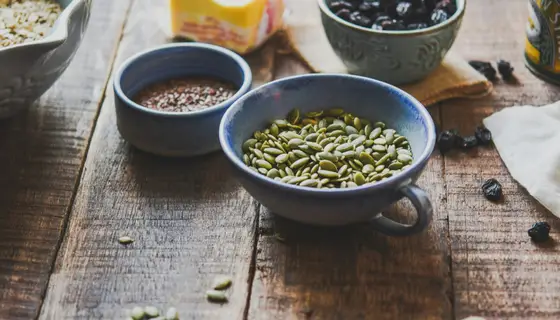
- Seed cycling: 1 tbsp ground flaxseed and 1 tbsp pumpkin seeds daily
Exercise: Highest-intensity work of the month, such as strength training, HIIT, and personal records. Oestrogen improves muscle recovery and pain tolerance.
Work: Schedule cognitively demanding tasks, important meetings, creative projects, and new initiatives. This is peak social and cognitive performance for most women.
Ovulatory Phase (Days 12–16): Peak Performance
Hormones: Peak oestrogen, LH surge, and a brief testosterone peak. Energy: Maximum. The highest confidence and social motivation point of the cycle.
Nutrition focus: Anti-inflammatory, zinc-rich, fibre for oestrogen clearance.
- Zinc: oysters (highest zinc food available), pumpkin seeds, chickpeas
- Anti-inflammatory: oily fish, walnuts, turmeric with black pepper
- High-fibre: legumes, whole grains, colourful vegetables
Exercise: Peak performance phase. Suitable for competition, heavy lifting, endurance challenges.
Work: High-stakes presentations, negotiations, public-facing work. The brief testosterone peak is associated with increased confidence and assertiveness.
Luteal Phase (Days 17–28): Nourish and Stabilise
Hormones: Progesterone dominant, with mid-luteal oestrogen rise then both declining toward period. Energy: Declining as the phase progresses. The body requires more: more sleep, more food, less stimulation.
Nutrition focus: Complex carbohydrates for blood sugar and serotonin, magnesium, B6, calcium.
- Complex carbs: sweet potato, oats, brown rice, lentils, which support serotonin production
- Magnesium: dark chocolate, leafy greens, pumpkin seeds, avocado, for PMS symptom reduction
- B6: chicken, salmon, chickpeas, bananas, which support progesterone and serotonin
- Calcium: yoghurt, sardines, kale, sesame, with research-backed reduction of PMS symptoms
- Reduce caffeine and alcohol from Day 23 onward, since both worsen sleep, anxiety, and PMS
Exercise: Moderate intensity, such as pilates, yoga, hiking, or swimming. Research consistently finds reduced pain tolerance and higher injury risk in the late luteal phase. This is not the phase for setting personal records.
Work: Detail-oriented tasks, editing, analytical work, and solo deep-focus projects suit the luteal phase’s natural inward orientation. Protect social load. Front-load meetings and high-stimulation commitments to earlier phases.
What your cycle tells you about your health.
Sources
- Sundström Poromaa I, Gingnell M. (2014). Frontiers in Neuroscience, 8, 380.
- Pallavi LC et al. (2016). Journal of Clinical and Diagnostic Research, 10(2).
- Healthline. (2023). Cycle syncing: definition, how-to, and more. https://www.healthline.com/health/womens-health/cycle-syncing
Want to go deeper?
Get The Natural Cycle, including the full cycle syncing chapter with a four-phase meal plan and phase-specific exercise guide.